Date: March, 2026
Location: Australia
Context: Commercial function of a global payments company. High performing team, focused on how they can succeed this year and get to the next level
Objectives: clarify what good looks like, work effectively together, navigate decision masking in a complex environment, win vs their competitors
Partner: Linton Chalmers, Team Consultant,
Playing to Win 🏆
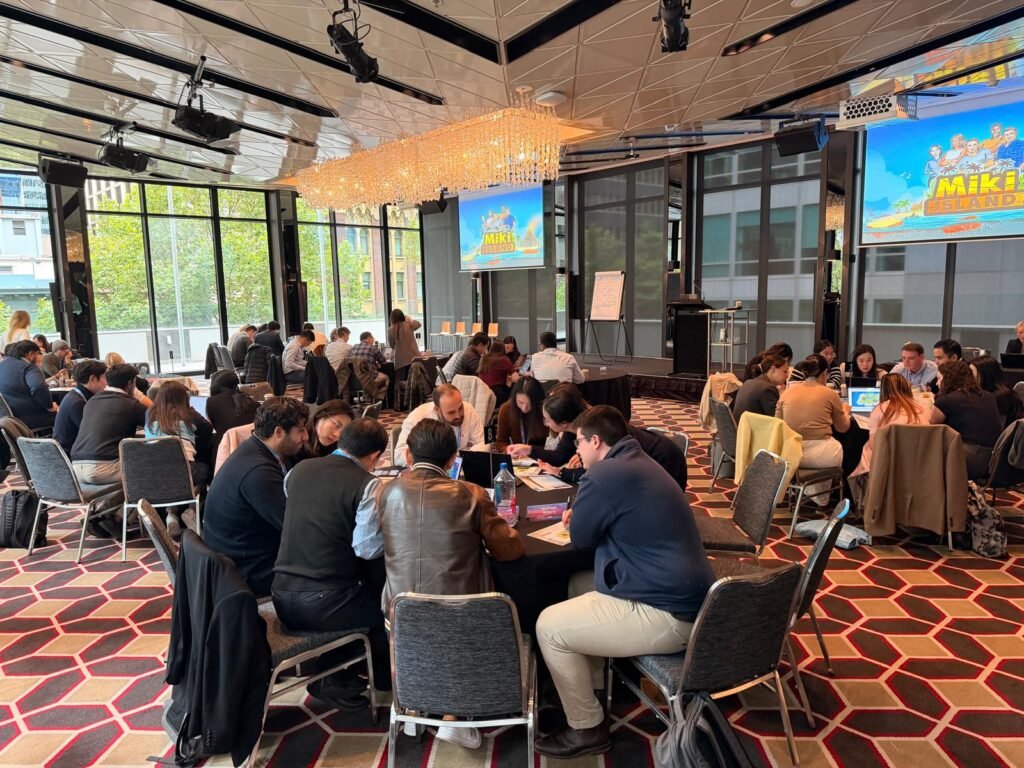
Some teams don’t come to a workshop looking for a diagnosis. They come looking for an edge. That was the energy in the room on the 6th of March 2026 in Melbourne, when the commercial function of a global payments company gathered with one clear intention: to understand what it would take to get to the next level — and then go get it.
A High-Performing Team with High Ambitions 🔄
This wasn’t a team in trouble. By any measure, they were already performing well. But in a competitive, fast-moving industry, standing still is its own kind of risk.
The commercial team came in with sharp focus: clarify what good actually looks like at the next level, work together more effectively as a unit, sharpen their decision-making in complex environments, and find the edges that would help them win against strong competition.
That combination — high performance, high ambition, and a genuinely competitive mindset — created a particular kind of energy in the room. One that needed a session capable of meeting it.
Linton Chalmers: Designing for the Next Level 🤝
The workshop was designed and facilitated by Linton Chalmers of Linton Chalmers Consulting, a certified Miki Island partner based in Melbourne whose work focuses on leadership and organisational performance.
Linton brought both the rigour and the practicality the team needed — creating a session that didn’t feel like a step back from the real work, but a direct investment in it.
What the Simulation Put to the Test 🏝️
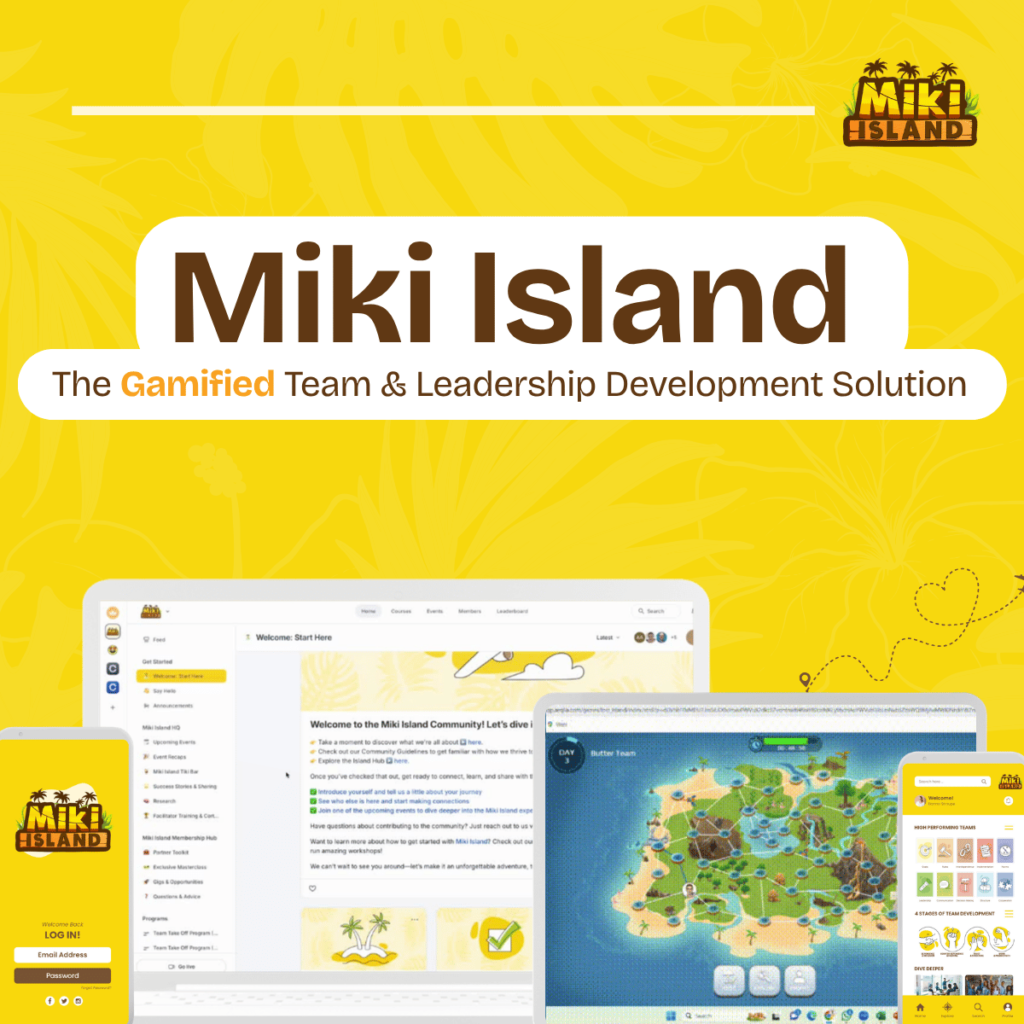
Inside Miki Island, the team’s real decision-making patterns came to the surface quickly.
The scenario placed participants in a fast-moving environment where information was incomplete, time was limited, and success depended on how well the group could coordinate under pressure. Familiar territory, in many ways, for a commercial team operating in a complex global market.
What the simulation made visible:
🧠 How the team processes and prioritises information when it’s imperfect — which it always is ⚡ Where decision-making accelerates, and where it stalls
🔄 How the group responds to mistakes — whether they slow down to learn, or push through and repeat
🎯 Whether shared goals stay visible when pressure mounts, or get lost in the detail
The scenario wasn’t abstract. For this team, it felt like a compressed version of what they navigate every day — and that proximity to reality is what made the learning land.